



The Firearm Industry Trade Association
NSSF leads the way in advocating for the industry and its business and jobs, keeping guns out of the wrong hands, encouraging enjoyment of recreational shooting and hunting and helping people better understand the industry’s lawful products.
Safety
We are the firearm industry, and we’re dedicated to promoting
the safe, responsible use of our products. As a leading
authority on gun safety, it’s our duty to pass that knowledge
on to others. From infographics and safety kits to videos,
literature and suicide prevention resources, NSSF makes
available tools every industry member can use to spread the word.
Real Solutions. Safer Communities.®
Industry Economic Impact Up 371% Since 2008
The total economic impact of the firearm and ammunition industry in the United States increased from $19.1 billion in 2008 to $90.05 billion in 2023.
More...2024 Hunting Heritage Trust Grants Available
Application process open for grant program designed to support recruitment efforts benefitting hunting and the shooting sports.
More...Land your dream job here!
All across America, the firearm, ammunition and outdoor industry is hiring.
View JobsLicensed Retailers Aren’t the Problem
ATF report reveals the stark reality that the Biden administration’s admonishments of the firearm industry are entirely off target.
More...Magazines with Capacity Over 10 Rounds is National Standard
Report confirms that the national standard for magazine capacity for America’s gun owners is greater than 10 rounds.
More...Advocacy
The NSSF Government Relations team relentlessly advocates for measures on behalf of
and works in defense of the firearm and ammunition industry at all levels and before all
branches of government.
Customized Market Reports
NSSF Customized Market ReportsSM are tailor-designed market templates prepared specifically for your trade area. The information in these reports will aid you in building well-targeted marketing efforts that will ultimately improve your business.
Learn MoreAll Research Publications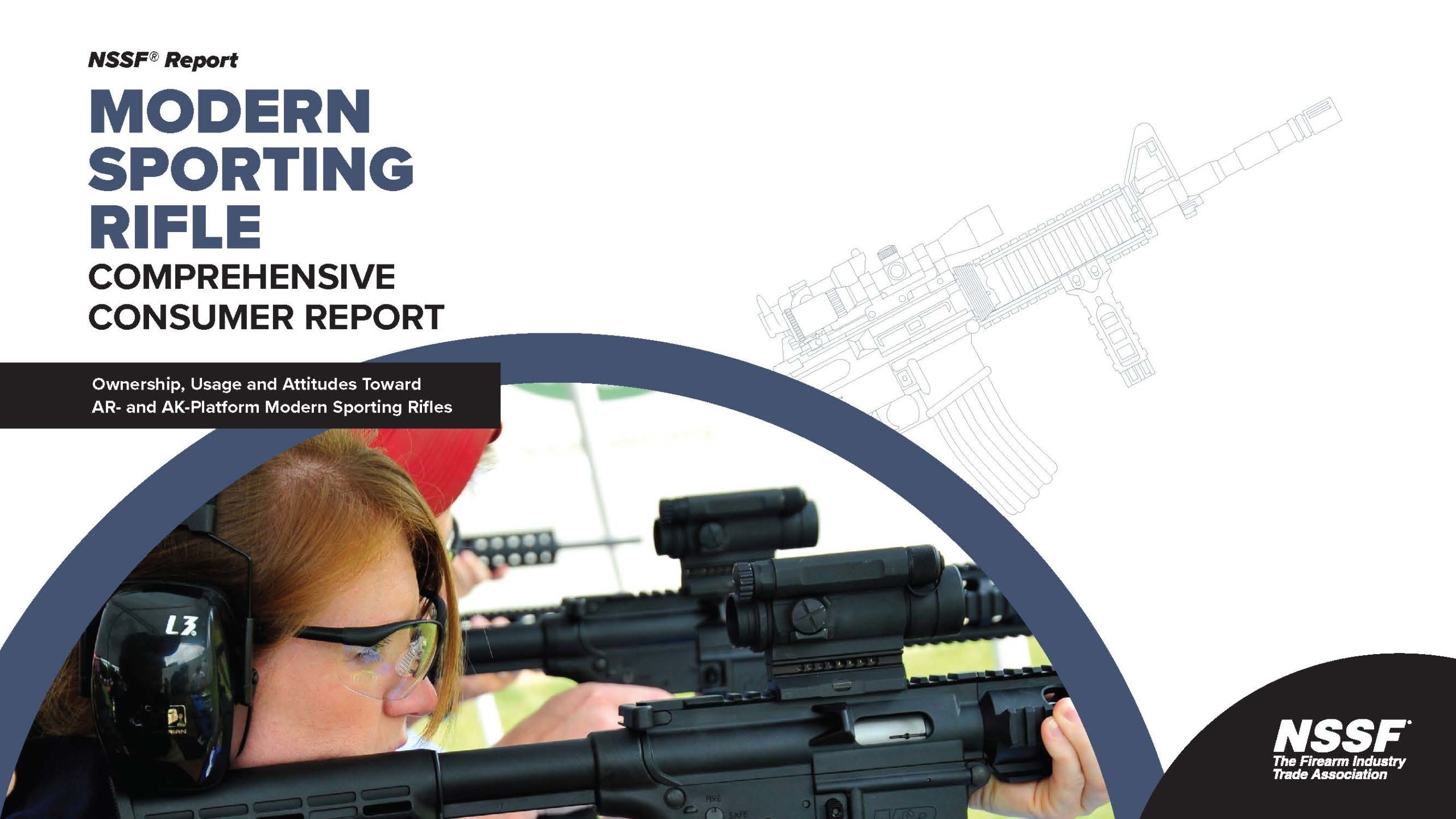
Modern Sporting Rifle (MSR) Comprehensive Consumer Report
Based on a 12/9/21–1/2/22 survey of AR- and AK-platform modern sporting rifle owners, this study was conducted to obtain current information regarding behaviors and interests in this segment of the firearm market.
Order TodayAll Research Publications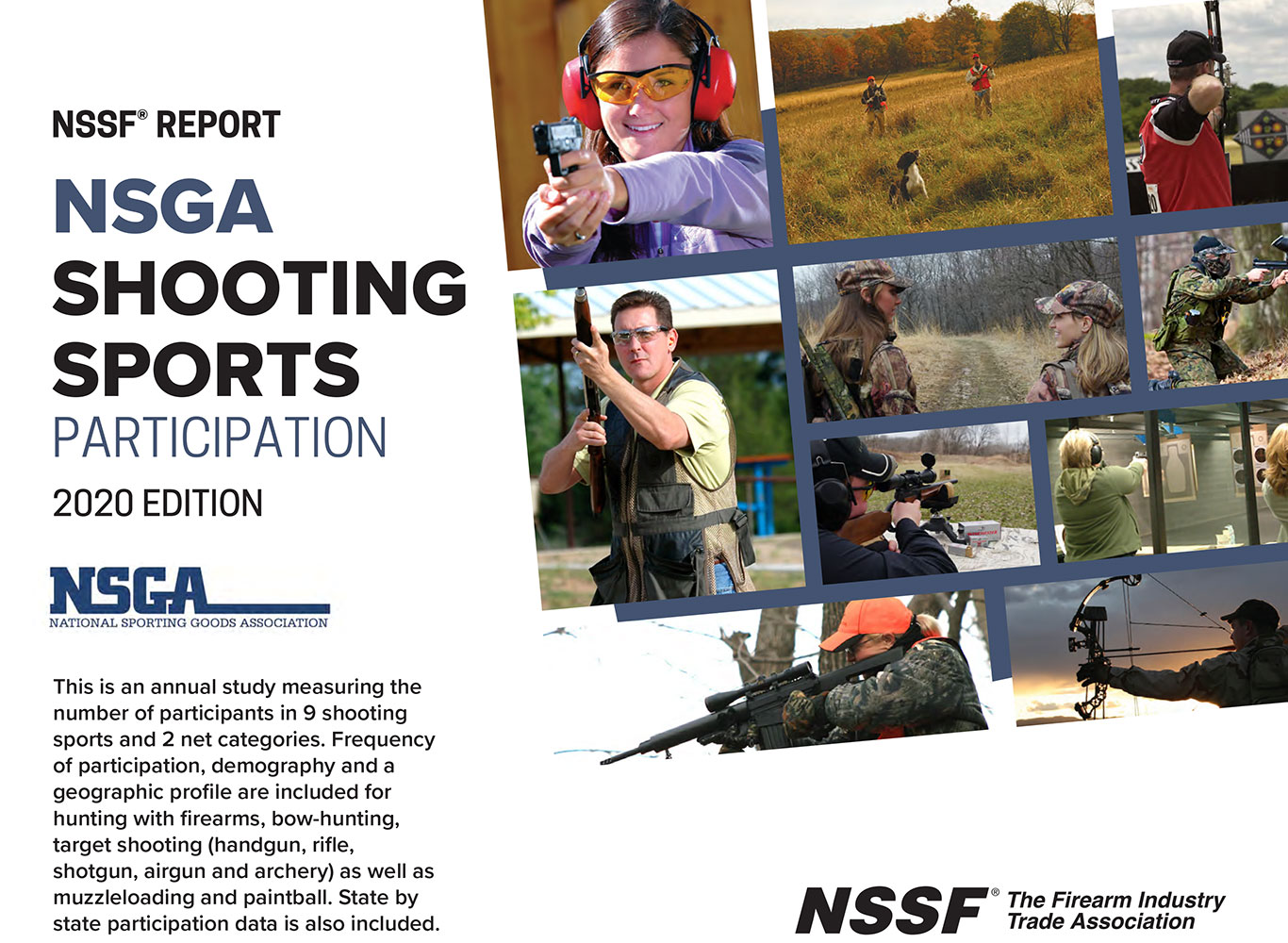
Shooting Sports Participation Report
More than 50 million people enjoy sport and target shooting activities in the United States. Annual report details U.S. participation in hunting and target shooting sports including gender and age group, household income, regional and state data.
Learn MoreAll Research PublicationsCurrent Campaigns & Programs
Become a member of NSSF
With a membership of thousands of manufacturers, distributors, firearm retailers,
shooting ranges, sportsmen’s organizations and publishers nationwide, our industry’s voice is strong.
Help us make it that much stronger.