


Showing 1-6 out of 3839
Visit the NSSF online store to order
research and publications online.
NSSF Members:
Login to see your special pricing.

Firearm Industry Compliance Education Webinars
NSSF®, the firearm industry trade association, is providing industry businesses with FREE in-depth compliance online…
Read MoreRetailer Education - April 2024
April 15, 2024
NSSF Participation in NICS Retailer Day Events The FBI Criminal Justice Information Services (CJIS) Division’s…
Learn More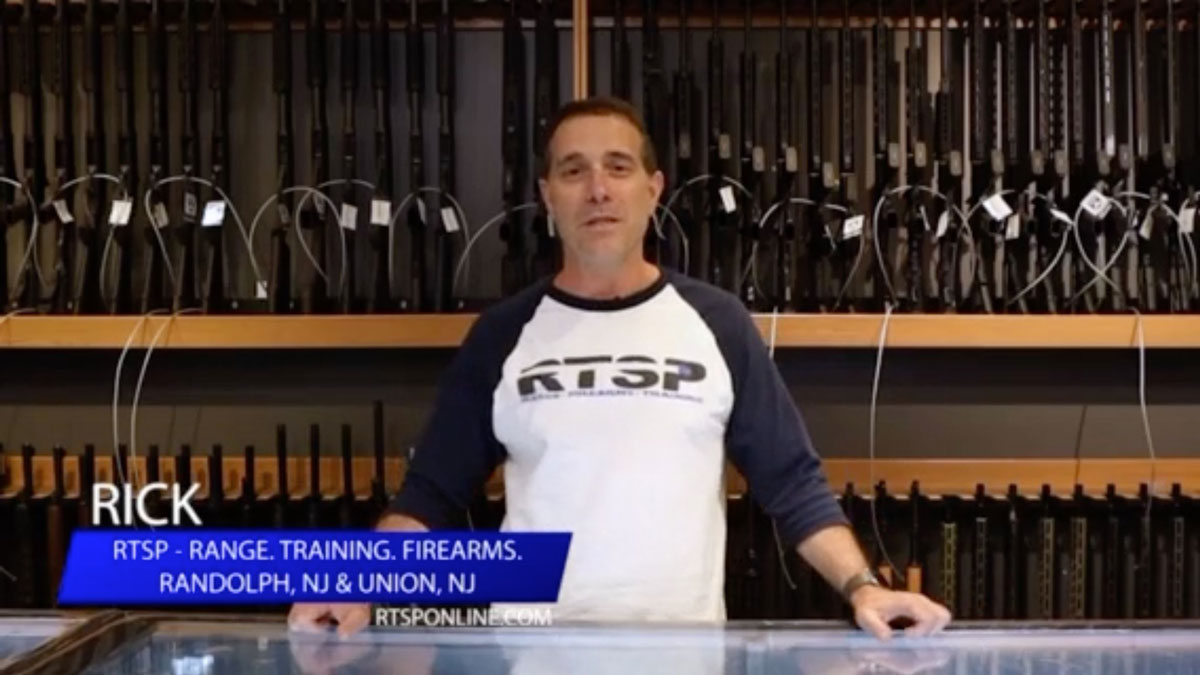
Register for NSSF Range-Retailer Business Expo Today
Rick from RTSP shares insights into the Range-Retailer Business Expo and invites other firearm industry businesses to sign up now. nssf.org/expo
Firearm Industry Compliance Education Webinars
NSSF®, the firearm industry trade association, is providing industry businesses with FREE in-depth compliance online…
Read MoreNSSF Range-Retailer Business Expo
July 10, 2024
Expand your business. Expand your opportunities. Expand your knowledge. All in one place. Join us…
Learn More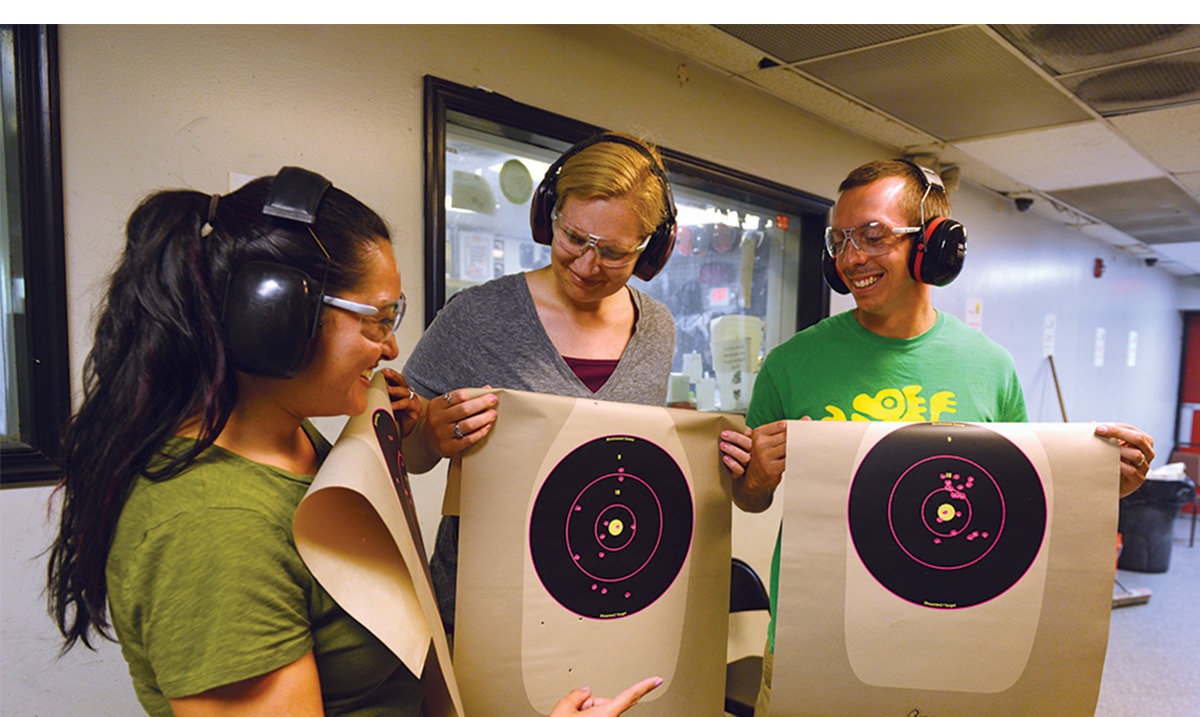
Is NSSF First Shots Right For Your Range?
You’ll have access to shooting supplies, marketing support, course curriculum and much more. nssf.org/firstshots
Biden Admin. ‘Open Border’ Funding Illegal Firearm Trafficking That Mexico is Suing Over
Mexico’s $10 billion lawsuit against U.S. firearm manufacturers has a sick and twisted wrinkle. The…
Read MoreNSSF Marketing & Leadership Summit
May 07, 2024
Annual event examines business culture within the firearm industry providing guided discussions through valuable market…
Learn More
Two Days of Knowledge and Networking
Attendees of NSSF's Marketing & Leadership Summit outline a few of the many valuable takeaways from this premier event.
NSSF Praises Indiana Governor Signing Law to End City of Gary Lawsuit
WASHINGTON, D.C. — NSSF®, The Firearm Industry Trade Association, praises Indiana Gov. Eric Holcomb’s signing of…
Read MoreNSSF Marketing & Leadership Summit
May 07, 2024
Annual event examines business culture within the firearm industry providing guided discussions through valuable market…
Learn More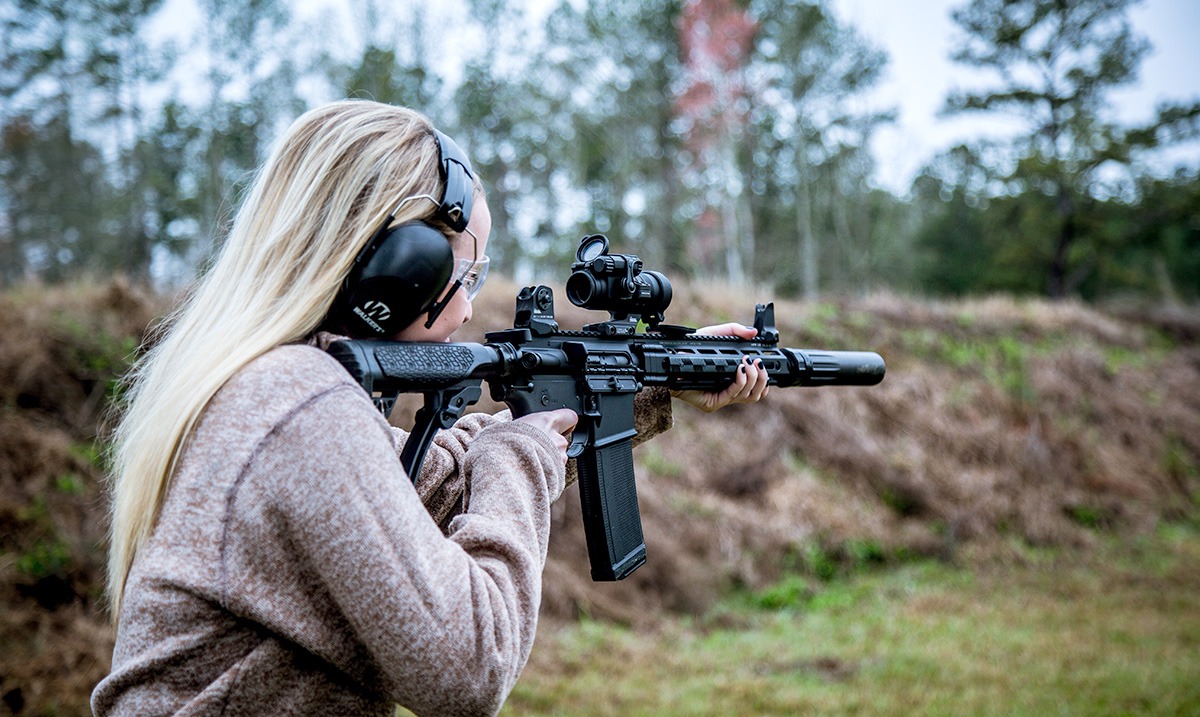
The Modern Sporting Rifle: Not an Automatic Rifle
It's important to know that modern sporting rifles are semi-automatic in function--they are NOT automatic rifles.